“Healthy mind, healthy body” is one of those phrases repeated so often it can start to feel like a cliché. But the idea behind it — that your mental and physical health aren’t separate systems, but one interconnected whole — has real scientific backing, not just folk wisdom. This guide looks at what the mind-body connection actually is, why the “body vs. mind” question is a bit of a false choice, and the specific, practical habits that support both at once.
The Mind-Body Connection Is a Real, Studied Relationship
Researchers in the field of psychoneuroimmunology have spent decades studying exactly how mental and emotional states affect the body’s physical systems, and vice versa. Chronic stress, anxiety, and depression have been linked to weakened immune responses, which is one of the clearer, well-established examples of the mind directly influencing physical health outcomes. The reverse is just as well documented: regular physical activity is consistently associated with lower rates of depression and anxiety, better mood regulation, and improved memory and cognitive function.
None of this is fringe science. It’s the basis for why many mental health treatment approaches now incorporate exercise, sleep hygiene, and nutrition alongside more traditional therapy — because treating the mind while ignoring the body (or vice versa) tends to produce weaker results than addressing both together.
Which Matters More: A Healthy Body or a Healthy Mind?
This is a common essay and discussion question, and the honest answer is that it’s a false choice. The evidence doesn’t point to one system being “more important” than the other — it points to them being deeply interdependent. Poor sleep affects emotional regulation. Chronic stress affects blood pressure, digestion, and immune function. Depression is linked to changes in appetite and energy. Physical pain affects mood and motivation. Trying to rank one above the other misses the actual finding: you can’t reliably improve one without it affecting the other, for better or worse.
This is also the idea behind the ancient phrase mens sana in corpore sano — “a sound mind in a sound body” — coined by the Roman poet Juvenal roughly two thousand years ago. The phrase has outlasted the empire it came from precisely because the underlying observation, that physical and mental wellbeing move together, has held up.
Practical Habits That Support Both Mind and Body
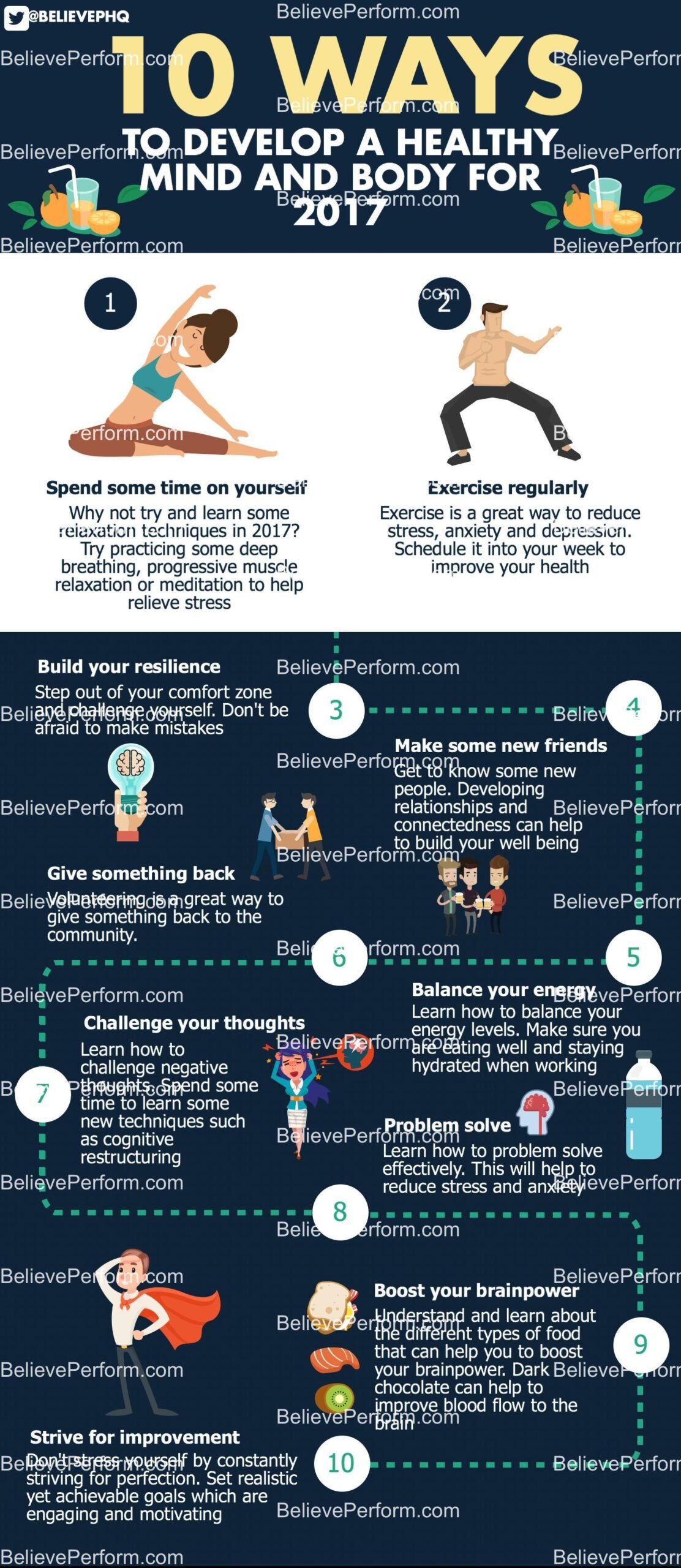
The encouraging part of the mind-body connection is that you don’t need two separate routines — most of the habits that support physical health also support mental health, and vice versa.
Move your body regularly
You don’t need an intense training program to get the mental health benefits of movement. Research on exercise and mood consistently finds meaningful improvements in anxiety, stress, and depressive symptoms from moderate activity done several times a week — walking, cycling, swimming, or any movement you’ll actually keep doing counts.
Protect your sleep
Sleep is when the brain consolidates memory and the body carries out much of its physical repair. Skimping on it consistently affects mood, focus, decision-making, and physical recovery all at once, which is part of why poor sleep shows up as both a mental and physical health risk factor.
Build in deliberate stress management
Chronic, unmanaged stress is one of the clearest points where mental strain becomes physical: elevated cortisol, disrupted digestion, and a weakened immune response. Practices like mindfulness meditation, slow breathing exercises, journaling, or simply stepping away from a stressful situation for a few minutes have research support for lowering that physiological stress response, not just the subjective feeling of stress.
Eat in a way that supports steady energy
Blood sugar swings from skipped meals or very sugar-heavy eating can affect mood, focus, and energy levels over the course of a day. You don’t need a strict diet to benefit here — regular meals with a mix of protein, fiber, and whole foods tend to support more stable energy and mood than erratic eating patterns.
Stay socially connected
Social isolation is consistently associated with worse mental health outcomes and, over the long term, worse physical health markers too. Regular contact with friends, family, or community — even in small doses — is one of the more overlooked pieces of the mind-body puzzle.
Signs Your Mind-Body Balance May Be Off
Because the connection runs both directions, imbalance often shows up as a mix of physical and emotional symptoms rather than one or the other. Some common signals worth paying attention to:
- Persistent fatigue that isn’t explained by poor sleep alone
- Frequent minor illnesses or an immune system that seems to be “always fighting something”
- Digestive issues that flare up during stressful periods
- Difficulty concentrating alongside low motivation to move or exercise
- Irritability or low mood that improves noticeably after a workout, good night’s sleep, or time outdoors
None of these on their own point to a specific diagnosis, but a cluster of them showing up together is often a sign that both the physical and mental side of the equation need attention at the same time, rather than addressing just one. If symptoms are persistent or significantly affecting daily life, it’s worth discussing them with a doctor or mental health professional rather than trying to self-manage everything through lifestyle changes alone.
What You Can Realistically Expect
Consistently practicing the habits above is associated with a range of benefits that touch both sides of the mind-body connection: better mood stability, more consistent energy through the day, better sleep quality, a stronger immune response, sharper focus and memory, and greater resilience to everyday stress. These aren’t overnight results — most of the research behind them involves weeks to months of consistent habits, not a single workout or one good night’s sleep.
The Specific Benefits of a Healthy Body
It’s worth breaking out what “a healthy body” specifically contributes to overall wellbeing, since it’s more than just physical appearance or fitness for its own sake:
- More stable energy throughout the day, rather than relying on caffeine or sugar to push through slumps.
- Better sleep quality, which itself feeds back into better mood and cognitive function the next day.
- Stronger immune function, meaning fewer sick days and faster recovery when you do get ill.
- Lower long-term risk for chronic conditions like heart disease and type 2 diabetes, both of which are also linked to mental health outcomes.
- Improved mood regulation, largely through the same exercise-and-stress pathways discussed above.
Each of these physical benefits has a corresponding effect on mental state — better sleep improves focus and patience, stable energy reduces irritability, and so on. This is the mind-body connection playing out in ordinary, daily terms rather than as an abstract concept.
Common Questions About Mind and Body Health
What does “healthy body, healthy mind” actually mean?
It’s shorthand for the idea that physical and mental wellbeing reinforce each other rather than existing independently. It doesn’t mean physical fitness automatically guarantees good mental health, or that mental resilience alone keeps the body healthy — rather, that habits supporting one tend to support the other, and neglecting one tends to eventually show up in the other.
Can you have a healthy body without a healthy mind?
To a degree, yes — someone can be physically fit while dealing with anxiety, depression, or chronic stress, and physical fitness alone doesn’t prevent mental health conditions. But over time, unmanaged mental health struggles tend to affect physical health too, through disrupted sleep, changes in appetite, reduced motivation to stay active, and the physiological effects of chronic stress. The two aren’t identical, but they’re rarely fully independent for long.
Where does the “healthy mind, healthy body” quote come from?
The most commonly cited origin is the Latin phrase mens sana in corpore sano, from the Roman poet Juvenal’s Satires, written around the late first or early second century. It’s often shortened and paraphrased in English as “a healthy mind in a healthy body,” and countless modern variations on it have circulated since, though Juvenal’s original point was actually more nuanced — a caution against praying only for physical or material gains rather than a simple fitness slogan.
Building a Routine That Actually Sticks
The biggest reason mind-body routines fail isn’t lack of knowledge — most people already know exercise and sleep matter. It’s trying to change everything at once. A more sustainable approach is to pick one habit from the list above, practice it consistently for a few weeks until it feels automatic, and then layer in the next one. Small, compounding changes tend to outlast dramatic short-term overhauls.
The Bottom Line
The mind and body aren’t in competition, and the science backs that up: stress affects your immune system, exercise affects your mood, sleep affects both your brain and your body’s recovery. Rather than asking which matters more, the more useful question is which single habit you can start building today that will move both forward at once.